
"coffee farming Kenya"
2000 article(s) found

Classification, price, raw beans and roasting of TOP pearl round beans PB boutique coffee beans in Kaili, Kenya
For professional baristas, please follow the profile of the coffee workshop (official Wechat account cafe_style): this raw bean comes from the Chakney processing plant in Neri and comes from the surrounding family farm. About 2023 coffee trees have been planted on 0.5 acre (about 250 square meters) of land. Neri has always been a classic coffee producing area in Kenya. Relying on Mount Kenya, it has advantages suitable for coffee growth.

Flavor and taste of coffee manor in Kenya Berman Manor Ethiopia
Kenya is bordered to the north by Ethiopia, the origin of Arabica coffee trees, but it was not until the beginning of the 20th century that coffee cultivation began. In the 19th century, missionaries introduced Arabica trees from the leaves, but did not plant them in large quantities. It was not until 1893 that coffee was cultivated on a large scale because of the introduction of Brazil's ancient bourbon seeds. That is to say, Kenyan coffee is of Brazilian origin, because of water.

Nyeri Thiriku Estate PB PB Bean Flavor and Taste characteristics of Xilike Manor in Kenya
Professional coffee knowledge exchange more coffee bean information please follow the coffee workshop (Wechat official account cafe_style) Nyeri Thiriku Estate PB Kenya Xilico Manor PB bean flavor and taste characteristics? Coffee beans are the fruits of coffee trees. Generally speaking, a single fruit contains two pieces of coffee beans (flat bean), which is called Type I (Type 1).

Kenyan Coffee Origin Esopia Coffee production area introduces boutique coffee
Kenya is bordered to the north by Ethiopia, the origin of Arabica coffee trees, but it was not until the beginning of the 20th century that coffee cultivation began. In the 19th century, missionaries introduced Arabica trees from the leaves, but did not plant them in large quantities. It was not until 1893 that coffee was cultivated on a large scale because of the introduction of Brazil's ancient bourbon seeds. That is to say, Kenyan coffee is of Brazilian origin, because of water.

Bright flavor of Kenya Jinchu Valley coffee flavor characteristics boutique coffee introduction
Kenya is 582646 square kilometers across the equator, bordering Somalia in the east, Ethiopia and South Sudan in the north, Uganda in the west and Tanzania in the south. It is bordered by the Indian Ocean in the southeast and has a coastline of 536 kilometers. [3]The coastal terrain is plain, and most of the rest is plateau with an average altitude of 1500 meters. Mount Kenya, Kenya's highest peak in the Great Rift Valley

Kenya Coffee-introduce how to debug the coffee grinder
Kenya is bordered to the north by Ethiopia, the origin of Arabica coffee trees, but it was not until the beginning of the 20th century that coffee cultivation began. In the 19th century, missionaries introduced Arabica trees from the leaves, but did not plant them in large quantities. It was not until 1893 that coffee was cultivated on a large scale because of the introduction of Brazil's ancient bourbon seeds. That is to say, Kenyan coffee is of Brazilian origin, because of water.
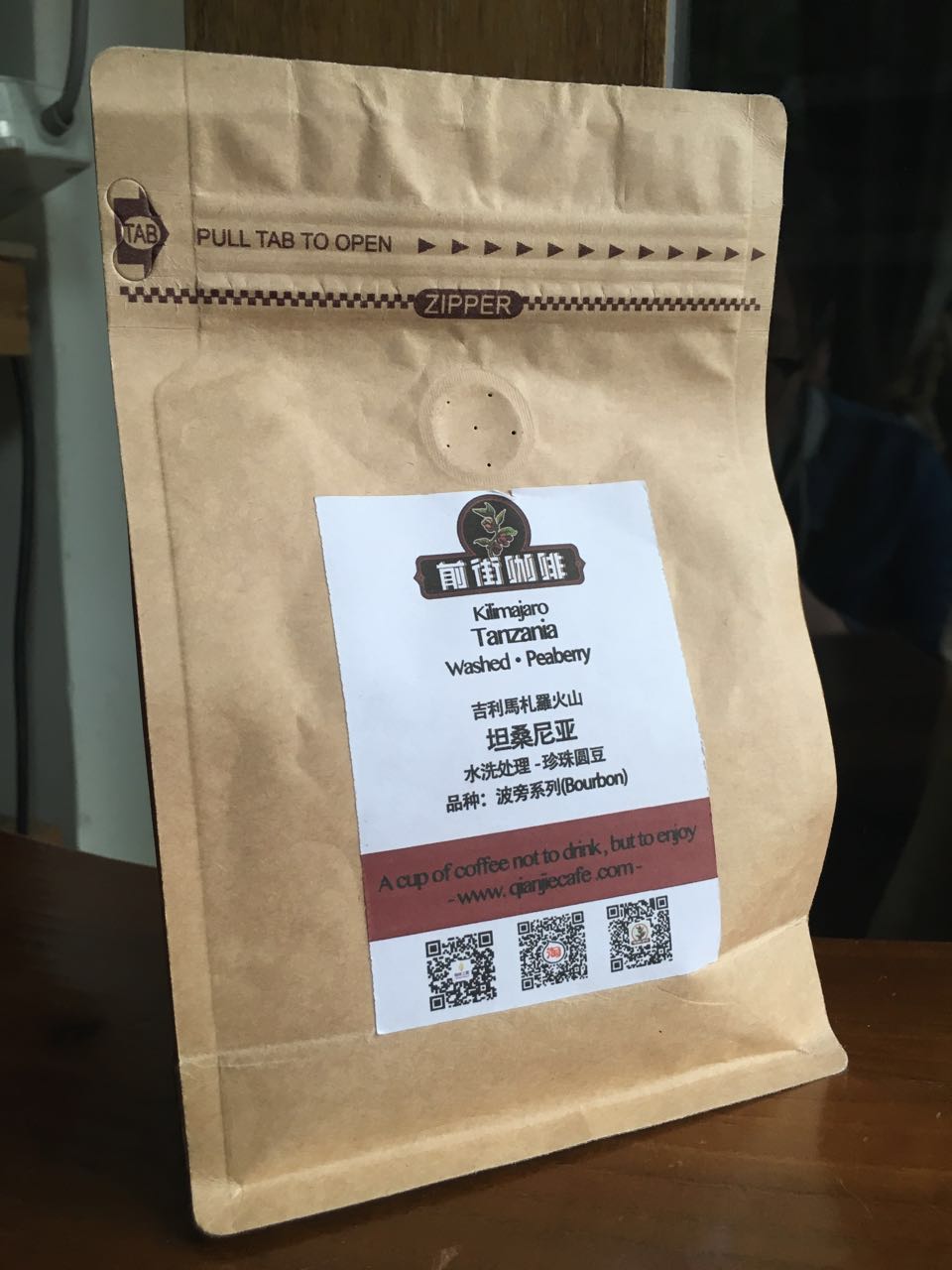
Introduction of boutique Kenyan coffee beans Fine Coffee
There are two types of coffee farms in Kenya. One is a large plantation that covers an area of more than five acres, but the average elevation is low. In the case of Kenyan coffee, the coffee beans of the large farms are of medium quality. The best Kenyan beans come from small farms, most of which are located in the foothills or volcanic slopes above 5,000 to 6,000 feet. Each small farmer has a capacity of only 20 to 70 bags per season.
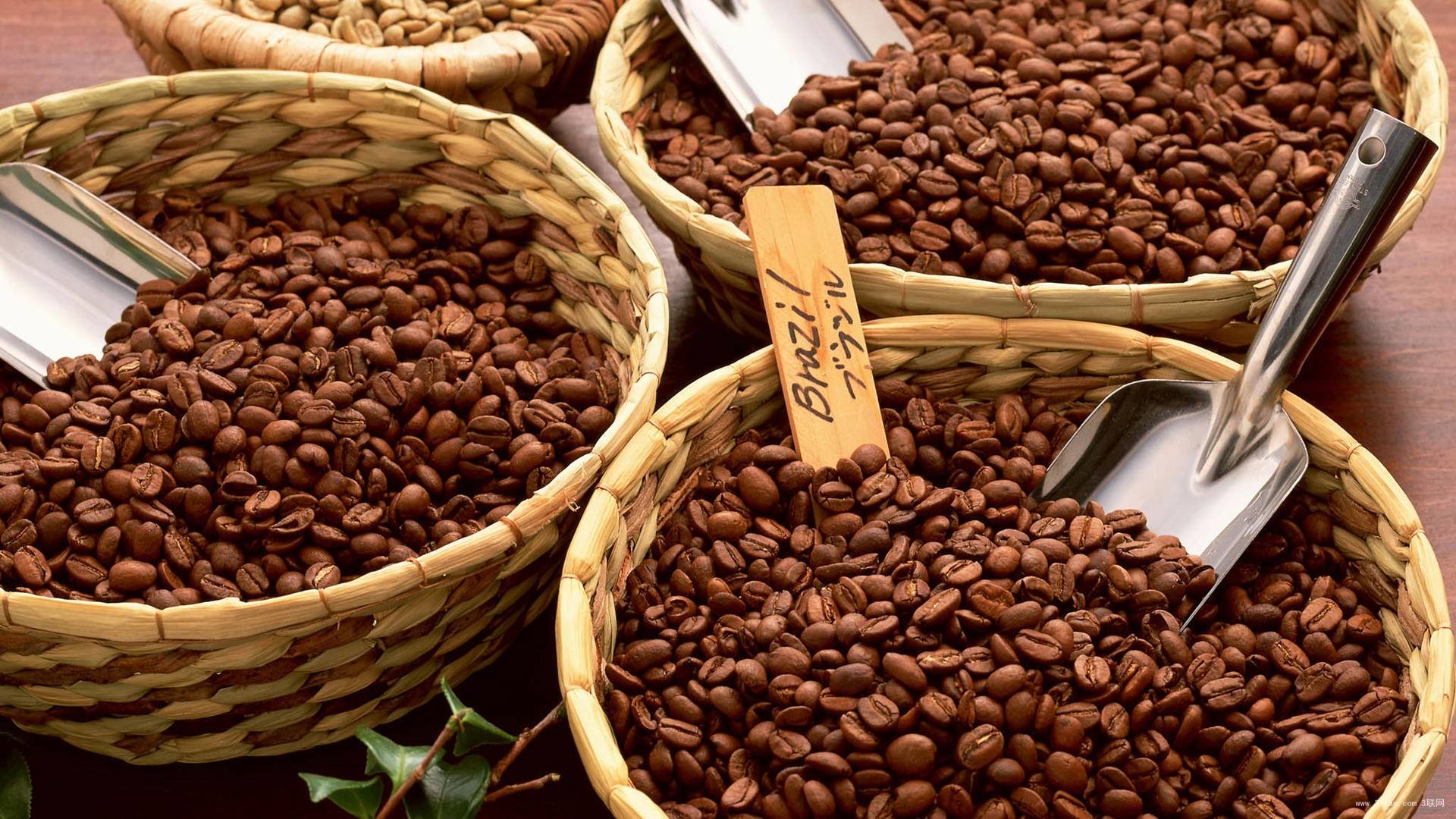
The origin of Kenyan coffee beans, an introduction to Kenyan coffee
Follow the caf é (Wechat official account vdailycom) found that the beautiful cafe opened its own shop Kenya Coffee from Kenya Coffee-introduced Kenyan coffee to the north of Kenya, the origin of Arabica coffee trees in Ethiopia, but did not engage in coffee cultivation until the beginning of the 20th century. Missionaries introduced Arabica trees from Yemen in the 19th century, but did not plant a large number of them.

Kenyan boutique coffee farm beans West Hannah Manor French missionary Bourbon grows sun-dried beans
Professional coffee knowledge exchange more coffee bean information please follow the coffee workshop (Wechat official account cafe_style) Kenya boutique coffee farm beans West Hannah Manor French missionary Bourbon planted sun beans flavor and taste characteristics? National Kenya (Kenya) Central Province (Central Provience), Sika (Thika), 1525 meters above sea level, rainfall about 80

Kenyan Coffee Flavor and Taste Little Tomato acidity characteristics introduction to the varieties of fine coffee beans in Kenya
The Kenyan flavor is extremely acidity, with a distinct fruit flavor, high-quality Kenyan coffee aroma, rich, rich and perfect taste. Kenyan coffee tastes like BlackBerry and grapefruit and is a favorite of many coffee gluttons. This coffee has an excellent medium purity and refreshing taste. The flavor is fresh and the most delicious.

A brief introduction to the market price of fine coffee beans in Berman Manor with citrus fruit aroma.
There are two types of coffee farms in Kenya. One is a large plantation that covers an area of more than five acres, but the average elevation is low. In the case of Kenyan coffee, the coffee beans of the large farms are of medium quality. The best Kenyan beans come from small farms, most of which are located in the foothills or volcanic slopes above 5,000 to 6,000 feet. Each small farmer has a capacity of only 20 to 70 bags per season.

Nyeri region of Kenya | Hiriga treatment plant washing AB beans SL 28 SL 34 v60 hand flushing flavor
Professional coffee knowledge exchange more coffee bean information please follow the coffee workshop (Wechat official account cafe_style) Nyeri area of Kenya | Hiriga processing plant washed AB beans SL 28 SL 34 v60 hand flavor? Kenya is a country that produces fine coffee. Only the traditional Arabica was introduced from Britain in 1900. It was not until 1950 that Kenya had the best SL2.

Kenyan Coffee Bean Prices in Kenya
Professional barista exchanges, please pay attention to coffee workshop (Weixin Official Accounts cafe_style ) French and British missionaries and researchers in Kenya in the early twentieth century

Kenya single Coffee Farm Bean Top Round Bean Multi-door Gizasani PB TOP flavor and taste
Professional coffee knowledge exchange more coffee bean information please follow the coffee workshop (Wechat official account cafe_style) Kenya single coffee manor beans top round beans multi-door Gizasani PB TOP flavor and taste characteristics? Country: Kenya name: multi-door Gizasani PB TOP production area: Nyeri Grade: PB Top granule size: pill bean treatment: washing products

What is the planting history of Kenya AA Matilakali treatment plant? Flavor and taste characteristics?
Professional coffee knowledge exchange more coffee bean information please follow the coffee workshop (Wechat official account cafe_style) Kenya AA Matirakali processing plant what is the planting history? Flavor and taste characteristics? Kenya is a model country for producing fine coffee beans. Coffee was introduced from Britain in 1900, and only the traditional Arabica did not have the best coffee tree species in Kenya until 1950.

A brief introduction to the treatment method of grinding degree and baking degree of boutique coffee beans in Berman Manor
There are two types of coffee farms in Kenya. One is a large plantation that covers an area of more than five acres, but the average elevation is low. In the case of Kenyan coffee, the coffee beans of the large farms are of medium quality. The best Kenyan beans come from small farms, most of which are located in the foothills or volcanic slopes above 5,000 to 6,000 feet. Each small farmer has a capacity of only 20 to 70 bags per season.

A brief introduction to the cultivation of boutique coffee beans in moderately mellow Berman Manor, geographical location, climate and altitude
There are two types of coffee farms in Kenya. One is a large plantation that covers an area of more than five acres, but the average elevation is low. In the case of Kenyan coffee, the coffee beans of the large farms are of medium quality. The best Kenyan beans come from small farms, most of which are located in the foothills or volcanic slopes above 5,000 to 6,000 feet. Each small farmer has a capacity of only 20 to 70 bags per season.

Description of flavor characteristics of seven major producing areas of Kenyan coffee beans taste of Kenyan coffee beans treated varieties
Kenyan coffee producing areas introduce altitude, latitude and geology: the equator runs through Kenya, and the border is just within ten degrees of north and south latitude. Belonging to tropical producing areas, there are two rainy seasons every year, with two harvests, with 60% concentrated from October to December and another 40% from June to August. Coffee is mainly grown in volcanic areas around 16002100 meters above sea level from the capital Narobi to the mountains of Kenya. This height

What are the characteristics of Kenyan coffee beans
There are two types of coffee farms in Kenya. One is a large plantation that covers an area of more than five acres, but the average elevation is low. In the case of Kenyan coffee, the coffee beans of the large farms are of medium quality. The best Kenyan beans come from small farms, most of which are located in the foothills or volcanic slopes above 5,000 to 6,000 feet. Each small farmer has a capacity of only 20 to 70 bags per season.

Kenya Jinchu Valley Coffee Price Taste Manor Production Area Characteristics Variety Treatment Introduction
It entered Kenya in the 19th century, when Ethiopian coffee drinks were imported to Kenya via South Yemen. But it wasn't until the early 20th century that bourbon coffee trees were grown by St. Austin Mission introduced. Kenya coffee is mostly grown at altitudes of 1500- 2100 meters and harvested twice a year. To ensure that only ripe berries are picked, people must be in the forest.